Renovation Contractor Secrets: How to Achieve a Stress-Free Remodeling Process
Navigating a home renovation can be difficult. Residents often face unforeseen obstacles that can make things more complex. Selecting the right home improvement contractor is vital for steering clear of typical errors. Well-defined goals and proper discussion can make a significant difference. Yet, many neglect critical actions that can lead to frustration and delays. Learning about these secrets can help simplify the process and ensure a positive result. What steps can property owners take to address these obstacles?
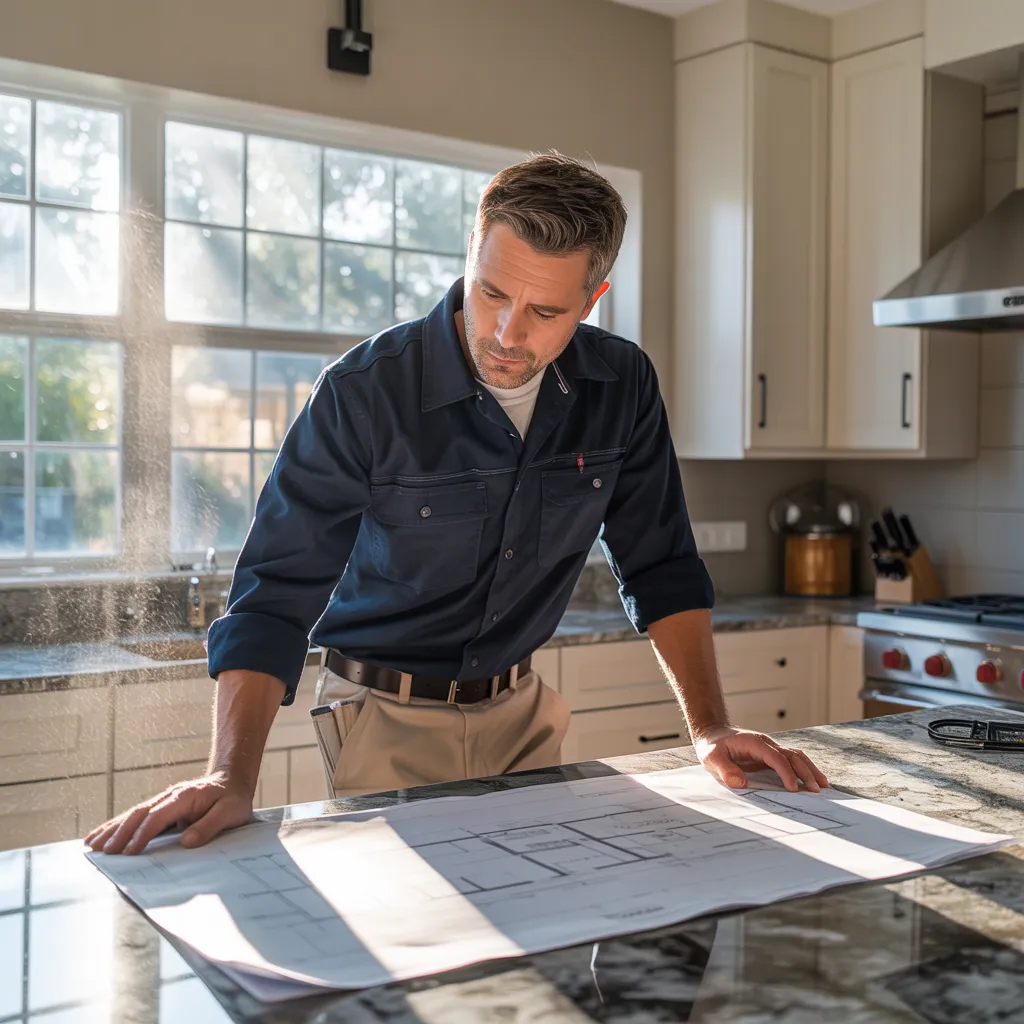
Exploring the Role of a Remodeling Contractor
A renovation contractor manages the complex process of home renovations, ensuring that projects run smoothly from start to finish. This expert acts as the primary point of contact in managing various tasks, from early planning stages to the finishing details. They possess a deep understanding of construction practices, building materials, and local compliance requirements, which allows them to reach informed decisions that affect the results of each project.
The contractor is responsible for managing subcontractors, scheduling work, and overseeing the budget. They also serve as a link between clients and tradespeople, addressing concerns and providing updates throughout the renovation process. Effective communication is essential, as it helps to align in-depth guide the client's vision with practical execution. By balancing timelines and quality, the remodeling contractor minimizes disruptions and enhances overall efficiency. In the end, their skills and guidance are instrumental in bringing a client's renovation vision to life while keeping safety and regulatory compliance at the forefront.
How to Define Clear Expectations for Your Project
Defining clear expectations is vital for the favorable outcome of any renovation project. Homeowners should begin by defining their goals and desired outcomes, making sure all involved parties are aware of the scope of work. Detailed project descriptions help prevent misunderstandings later on. Setting a practical budget is equally important; it ought to account for possible unexpected costs.
Homeowners must share their schedules, covering both start and end dates, which assists in coordinating contractor availability. Discussing the types of materials to be used and their availability can provide greater clarity regarding the project's course. Scheduled updates can help resolve issues in a timely manner, fostering a spirit of teamwork and partnership.
At the end of the day, keeping a written record of all agreements and decisions can provide a reference point throughout the project, reducing conflicts. By setting these clear expectations, homeowners can promote a well-organized and effective renovation process, making sure the end results match their original vision.
The Role of Effective Communication
Strong communication functions as the backbone of every successful renovation project, guaranteeing that contractors and homeowners stay on the same page during the entire process. This promotes transparency, allowing both parties to express their goals, preferences, and concerns freely. When communication is clear and consistent, misunderstandings can be minimized, ultimately preventing expensive setbacks and revisions.
Contractors can take advantage of frequent updates, enabling them to adjust schedules and resources accordingly. Homeowners, in turn, gain reassurance through consistent communication, feeling more involved and informed. Clear communication also fosters trust, a fundamental aspect for a mutually beneficial working partnership.
Using various communication methods, for example emails, phone calls, and in-person meetings, is able to accommodate diverse preferences and make certain that key information is communicated in a timely manner. In the end, placing emphasis on effective communication not only enhances the renovation process but also plays a role in attaining the desired results with efficiency and satisfaction.
Important Questions for Finding the Right Contractor?
What steps can homeowners take to ensure they choose a trustworthy remodeling contractor? To make an informed choice, they should commence by raising important inquiries. Homeowners are advised to question the contractor regarding their experience and proficiency in targeted remodeling work, confirming that the contractor possesses the necessary abilities for the task at hand. It is furthermore critical to seek out references and portfolio examples of completed work to evaluate both quality and trustworthiness.
Homeowners need to verify whether the contractor holds proper licensing and insurance, confirming that they are compliant with local regulations. Additionally, discussing the project timeline and availability helps set realistic expectations. Inquiring about any subcontractors and their credentials may also indicate the degree of professionalism to be anticipated during the project.
In conclusion, homeowners ought to ask for a transparent payment plan and ask about guarantees covering both materials and labor. By posing these questions, homeowners are better equipped to vet potential contractors and ultimately select the best match for their remodeling project.
Evaluating Contractor Proposals
When assessing proposals from contractors, it is essential to analyze pricing frameworks to guarantee budget alignment. Additionally, reviewing project deadlines helps in evaluating the practicality of each contractor's plan. This structured method supports making knowledgeable determinations that can considerably impact the renovation project.
Evaluate Pricing Options
While evaluating pricing structures may appear overwhelming, it is essential for homeowners to thoroughly review contractor proposals to ensure they get the greatest return on their investment. Various contractors may offer different pricing structures, such as flat-rate pricing, time-based billing, or cost-plus contracts. Homeowners should assess not only the total costs but also what is included in each proposal. For instance, some quotes may cover materials and labor in detail, while others might list them separately, leading to unexpected expenses later. Moreover, examining payment structures and terms can highlight potential monetary risks. Through grasping these details, homeowners can make well-informed choices and choose a contractor whose pricing model suits their budget and project goals.
Analyze Project Timelines
Evaluating renovation timelines is crucial for homeowners seeking clarity in contractor estimates, as setbacks can heavily influence budgets and expectations. A detailed analysis of proposed timelines helps homeowners pinpoint likely obstacles and ensure that contractors maintain practical timelines. Homeowners should compare the estimated start and completion dates across several bids, paying attention to the specific phases of the project. It is recommended to ask about the contractor's strategy for handling unexpected setbacks, such as adverse weather or material shortages. Transparent dialogue about project benchmarks can encourage reliability and clarity. By comprehending the schedule, homeowners can more accurately set their goals and get ready for any changes necessary throughout the renovation process, resulting in a more seamless outcome.
How to Keep Your Renovation on Schedule
Remaining on schedule during a renovation can significantly affect the overall success of the project. To keep things moving, clear communication between the homeowner and contractor is essential. Setting up a thorough timeline with defined checkpoints helps everyone stay accountable. Regular check-ins can address any potential delays early on, guaranteeing that concerns are addressed in a timely manner.
Furthermore, accounting for unexpected challenges, such as supply chain delays or weather-induced delays, permits more flexible scheduling. It is also important for homeowners to ensure that selections involving materials and design choices are made in advance to eliminate last-minute modifications that could hinder progress.
To conclude, choosing a credible contractor with a established reputation can considerably increase the potential of meeting deadlines. A professionally managed team, armed with the essential resources, will execute duties proficiently, minimizing downtime and keeping the renovation on track. Effective planning and preventive administration are essential elements in reaching a prompt project conclusion.
Typical Remodeling Errors With Contractors
Successful renovations require not only proper time management but also an understanding of common challenges that can occur when working with contractors. One prevalent problem is miscommunication, which can lead to misunderstandings regarding project scope, timelines, and budgets. It is essential for homeowners to define clear goals and keep communication channels open throughout the renovation process.
Another common pitfall is failing to account for costs. Homeowners may overlook additional expenses such as materials, permits, or unexpected repairs, which can strain budgets. Furthermore, the decision on which contractor to hire carries considerable weight; hiring unlicensed or inexperienced contractors can result in subpar work or legal complications.
Lastly, neglecting to check references and reviews can result in hiring unqualified contractors. Homeowners are advised to spend time investigating and evaluating prospective candidates to avoid delays and dissatisfaction. By identifying these common mistakes, homeowners can protect their renovation endeavors and ensure a more seamless process.
Questions We Often Receive
What Should I Do if My Contractor Misses a Deadline?
Should a contractor not meet an agreed-upon deadline, the homeowner is advised to make direct contact, sharing their worries and asking for clarity. Record the discussion, check the agreement for specific terms, and consider setting a new timeline or exploring alternative options if necessary.
How Should I Deal with Unforeseen Costs During the Renovation?
To address unforeseen expenses during renovation, it is advisable to thoroughly assess the agreement, speak transparently with the renovation professional, consider alternative options, and keep a contingency fund. This preventive method reduces stress levels and guarantees smoother project progression.
Which Permits Are Required for My Remodeling Project?
To determine the required permits for a home improvement project, you should review local building codes. Typically, required permits can encompass electrical, structural, plumbing, or zoning permits, depending on the project's scope and location regulations.
Am I Able to Remain in My Home Throughout the Renovation?
Yes, homeowners can often live in their homes during renovations, but this largely depends on the extent of the project. Factors like noise, dust, and reduced accessibility may pose challenges, so thorough planning and open communication with your contractors are crucial.
How Can I Resolve Disagreements With My Contractor?
To address conflicts with a contractor, individuals should express concerns in a clear manner, be receptive to their viewpoint, seek compromise, maintain written records of exchanges, and, when needed, explore mediation options to achieve a favorable outcome for all involved parties.